


Petroleum Products
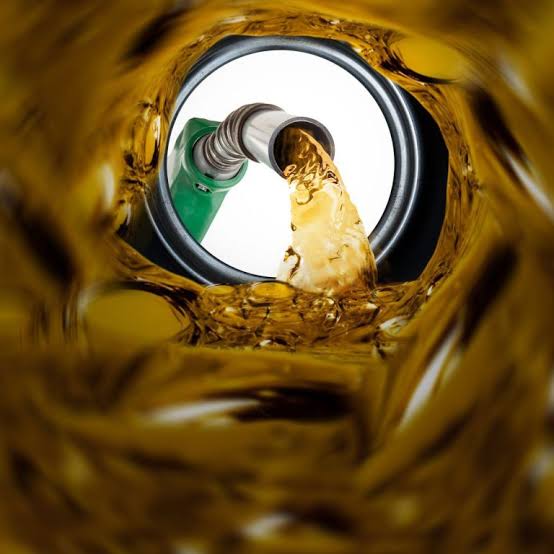
Petroleum has been refined mostly in the form of diesel fuel oil (including palm diesel oil: 48.6%), followed by gasoline (including gasohol), LPG, jet fuel, fuel oil, and kerosene (16.9%, 13.4%, 12.3%, 8.8%, and 0.04%, respectively).
minerals and industrial products
Industrial Minerals (IM) are a large family of practical and functional minerals that represent a higher value product than mineral aggregates, are typically long-lived mines and are low-environmental impact resources to mine and produce.
Dried Fruits products
Dried fruit is fruit from which the majority of the original water content has been removed prior to cooking or being eaten on its own.
Agri-Food Logistics
Focus on controlling temperature, humidity, and product integrity Incoterms: Emphasis on CIF and DAP to ensure the product arrives in ideal condition. Shipping Specs: Use of reefer containers (for freeze-dried products). Moisture-resistant packaging with barrier properties to preserve texture and flavor. Precise palletization to prevent physical damage during sea transport.

Energy & Mineral Logistics
Focus on security, high volume, and adherence to safety and compliance standards Incoterms: Focus on FOB (for loading at oil terminals) and CFR (for bulk mineral shipments). Shipping Specifications: Management of bulk and containerized shipments in compliance with international safety standards. Coordination with specialized terminals and risk management during the loading of hazardous or heavy cargo. Provision of technical documentation (MSDS) and Certificates of Analysis (COA) to ensure full compliance with international transport regulations.
1
Bill of Lading (B/L)
2
Certificate of Analysis (COA)
3
Packing List & Commercial Invoice
The Edrisco Agri-Food Logistics Pillars:
Integrity-First Cold Chain Management
We treat the cold chain as an extension of the production process. Utilizing advanced real-time monitoring and TTI (Time-Temperature Indicator) technologies, we ensure your cargo remains within the optimal temperature range. We don’t just ship; we guarantee the climatic stability required for high-value perishables.
Barrier-Free Regulatory Compliance
International trade of food products is defined by strict SPS (Sanitary and Phytosanitary) standards. Edrisco eliminates administrative bottlenecks by synchronizing our logistics timeline with regulatory verification. From Pre-Shipment Inspection (PSI) to final phytosanitary clearance, we manage the documentation burden so your cargo clears customs seamlessly.
Tailored Packaging for Food Safety
We go beyond standard shipping requirements. Our packaging solutions are selected based on the specific respiration rates and moisture-sensitivity of each product. Whether it’s high-barrier vacuum sealing or modified atmosphere packaging (MAP), we implement protocols that extend shelf life and maintain nutritional integrity.
Transparency & Traceability
In today’s market, consumers demand to know the origin and handling history of their food. Edrisco offers end-to-end transparency, providing our partners with the data and certification records necessary to meet their local market’s transparency standards.
Logistics:
Beyond Simple
Transport